Best Treatment for Preeclampsia in Pregnancy in Gachibowli: What Every Mother Should Know
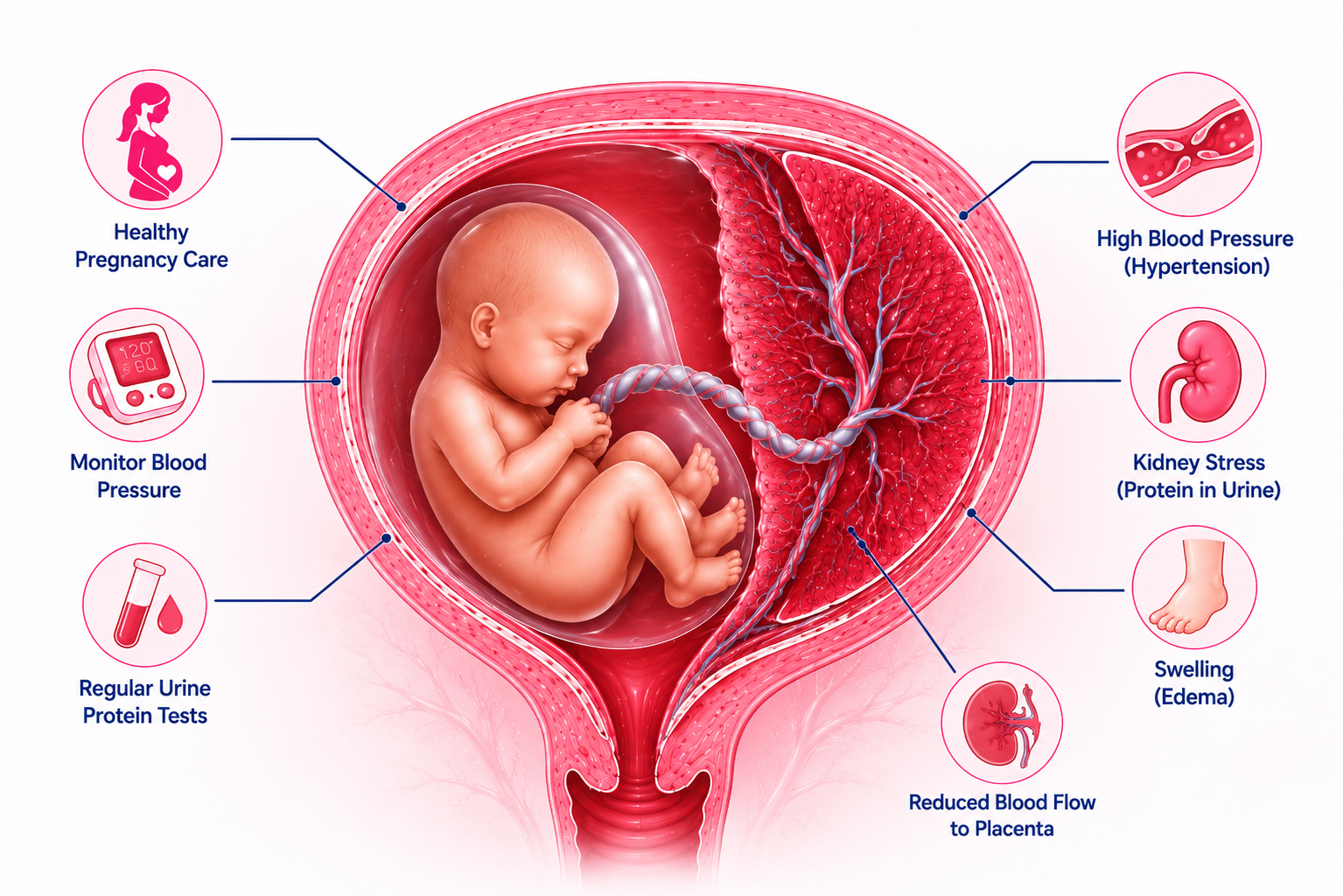
Preeclampsia is one of the most serious complications of pregnancy, but with timely diagnosis and expert care, it can be managed effectively to protect both mother and baby. Dr. Nikitha Reddy DS provides comprehensive monitoring, treatment, and support for women experiencing preeclampsia in Gachibowli and Hyderabad.
What Is Preeclampsia?
Preeclampsia is a pregnancy complication characterized by high blood pressure and signs of organ damage, most commonly affecting the kidneys. It usually develops after 20 weeks of pregnancy and can range from mild to severe. If left untreated, it may progress to serious conditions such as eclampsia (seizures) or HELLP syndrome, which can be life-threatening for both mother and baby.
Who Is at Risk of Developing Preeclampsia?
- First pregnancy
- History of preeclampsia in a previous pregnancy
- Multiple pregnancy (twins, triplets, or more)
- Pre-existing hypertension
- Diabetes
- Kidney disease
- Autoimmune disorders
- Obesity (BMI above 30)
- Maternal age below 18 or above 35 years
- Family history of preeclampsia
Signs and Symptoms of Preeclampsia
- Blood pressure reading of 140/90 mmHg or higher on two occasions
- Swelling of the face, hands, or feet beyond normal pregnancy swelling
- Sudden weight gain of more than 1 kg per week
- Severe headache that does not improve with medication
- Blurred vision, flashing lights, or seeing spots
- Upper abdominal pain, especially under the right ribs
- Nausea or vomiting during the second or third trimester
- Reduced fetal movements
- Protein in the urine detected during antenatal checkups
How Is Preeclampsia Diagnosed?
Diagnosis involves a combination of clinical evaluation and specialized investigations. Regular blood pressure monitoring, urine protein testing, blood tests to assess liver and kidney function, fetal monitoring through CTG, growth ultrasounds, Doppler studies, and Placental Growth Factor (PlGF) testing help determine the severity of the condition and guide treatment decisions.
Best Treatment Options for Preeclampsia in Gachibowli
Treatment depends on the severity of preeclampsia and the stage of pregnancy. Dr. Nikitha Reddy DS creates personalized management plans to ensure the safest possible outcome for both mother and baby.
Treatment for Mild to Moderate Preeclampsia
- Regular blood pressure monitoring at home and in the clinic
- Antihypertensive medications such as labetalol, nifedipine, or methyldopa
- Reduced physical activity and adequate rest
- Frequent fetal growth scans and Doppler studies every 1–2 weeks
- Low-dose aspirin when indicated
- Corticosteroid injections if preterm delivery is anticipated to help mature the baby's lungs
Treatment for Severe Preeclampsia
- Hospital admission for close maternal and fetal monitoring
- Intravenous magnesium sulphate to prevent seizures
- Intensive blood pressure control using IV medications when required
- Daily fetal monitoring with CTG and ultrasound assessments
- Careful planning of delivery based on maternal and fetal condition
- Delivery of the baby and placenta, which is the definitive treatment for preeclampsia
Postpartum Management After Preeclampsia
Preeclampsia can persist or even worsen during the first 48 hours after delivery. Blood pressure is monitored closely after childbirth, and medications may be continued until blood pressure returns to normal. Most women recover completely within 6 to 12 weeks postpartum with appropriate follow-up care.
How to Reduce the Risk of Preeclampsia
- Take low-dose aspirin if recommended by your doctor
- Maintain a healthy weight before and during pregnancy
- Keep hypertension and diabetes under control
- Attend all scheduled antenatal appointments
- Report any new symptoms immediately without waiting for the next visit
Why Choose Dr. Nikitha Reddy DS for Preeclampsia Management in Gachibowli?
- Experienced obstetrician specializing in high-risk pregnancies
- Early identification of mothers at risk through comprehensive antenatal screening
- Access to advanced fetal monitoring and diagnostic facilities
- Personalized treatment plans tailored to each pregnancy
- Clear communication and guidance for families
- 24/7 support during critical stages of pregnancy
- Strong collaboration with maternal-fetal medicine specialists and neonatologists
When Should You Consult a Doctor?
If you are pregnant and experiencing high blood pressure, unusual swelling, severe headaches, vision changes, or reduced fetal movements, seek immediate medical attention. Early diagnosis and treatment significantly improve outcomes for both mother and baby. Schedule a consultation with Dr. Nikitha Reddy DS in Gachibowli for expert pregnancy care and comprehensive preeclampsia management.
Related Blogs
With advanced training in minimally invasive surgery and high-risk obstetrics.
Best Gynaecologist for Ovarian Cyst Removal in Gachibowli – Expert Care by Dr. Nikitha Reddy DS
Learn More
Adenomyosis Treatment in Gachibowli: Causes, Symptoms & Best Treatment Options
Learn More
Signs You Should Consult an Adenomyosis Specialist in Gachibowli
Learn More